
CBN vs CBD: What’s the Difference?

There are so many different cannabinoids in the cannabis plant, with CBD and CBN being two of the most talked-about. But what is the difference between CBD and CBN? And how do the two compare in terms of effects, potency, and usage? Well, this guide will answer all of those questions and more, covering everything you need to know about CBN vs CBD.

What Are Cannabinoids?

Before we take a closer look at CBN vs CBD, it’s important to have a basic understanding of what cannabinoids, on the whole, actually are. So what are cannabinoids? Well, cannabinoids like CBD and CBN are naturally occurring compounds within the cannabis plant. When consumed, they can interact with the endocannabinoid system in the human body to produce certain effects and offer various potential benefits, too.

CBD: How It Works

CBD is the short name for cannabidiol. It’s one of the most widely used and popular of all cannabinoids, thanks to its great range of effects.
The way it works, just like many other cannabinoids, is by targeting a range of receptors in the endocannabinoid system. This can lead to multiple uses and benefits, which we’ll detail below.

Benefits

One of the best benefits of CBD is that it doesn’t have psychoactive effects, like THC. That means it isn’t capable of getting people high. Not only that, but because of the way CBD works when combined with THC, it can actually soften some of the more potent effects of THC. It also has a huge range of possible medical uses, like as an anti-depressant, anxiolytic, or pain killer.

Uses

Some of the potential uses for CBD include:

  • Relieving chronic pain
  • Treating inflammation
  • Reducing stress
  • Calming anxiety
  • Easing depression
  • Soothing nausea and vomiting
  • Helping with epilepsy and similar disorders
  • Treating insomnia and similar sleep conditions
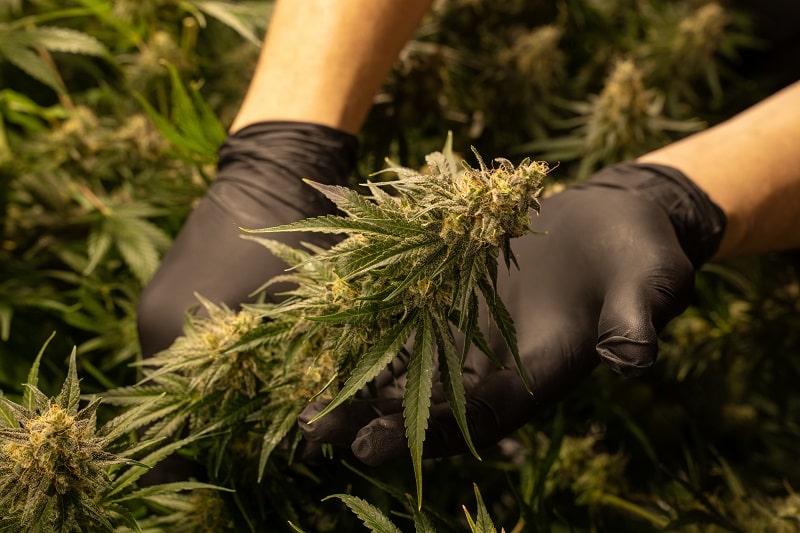
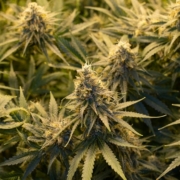
cbd vs cbn

CBN: How It Works

So, what is CBN? Well, CBN stands for cannabinol. It’s one of the “big six” active cannabinoids, a group that also includes CBD and CBG, but it tends to appear in smaller quantities than the others.

It is believed that CBN is able to interact with the CB1 receptor cells in the endocannabinoid system. This can then trigger a range of effects. Scientists are unsure about the exact power, potency, and use of CBN, with some saying it’s quite powerful and even psychoactive, while others say it has no notable effects at all.

Benefits

For now, we can only talk about “potential benefits of CBN”, due to the fact that this cannabinoid has not been researched or studied as extensively as CBD, and scientists are still unsure about what it can do. Some believe that it may offer useful sedative or calming effects and is far less potent and overwhelming compared to other cannabinoids, such as THC.

Uses

  • Easing insomnia and sleep disorders
  • Treating chronic pain
  • Soothing anxiety
  • Promoting a healthy appetite
  • Easing nausea
  • Possibly treating certain bacterial infections

CBD vs CBN: What’s the Difference?

So, when it comes to CBN vs. CBD or CBD vs. CBN, what’s the big difference between the two?

Well, there are a few notable differences.

First of all, we know a lot more about CBD. It has been researched and studied much more extensively. This has led to the growth and development of an entire industry around CBD. There are many types of CBD products you can find and use. In contrast, CBN products are harder to source, even from a trusted Portland dispensary .

There’s also a clear difference in terms of usage and benefits. The two cannabinoids share some benefits, like the power to soothe and calm people, giving them potential uses in treating stress, anxiety, insomnia, and so on. However, the effects of CBN are still a bit of a mystery, and CBD is generally much more useful and potent.
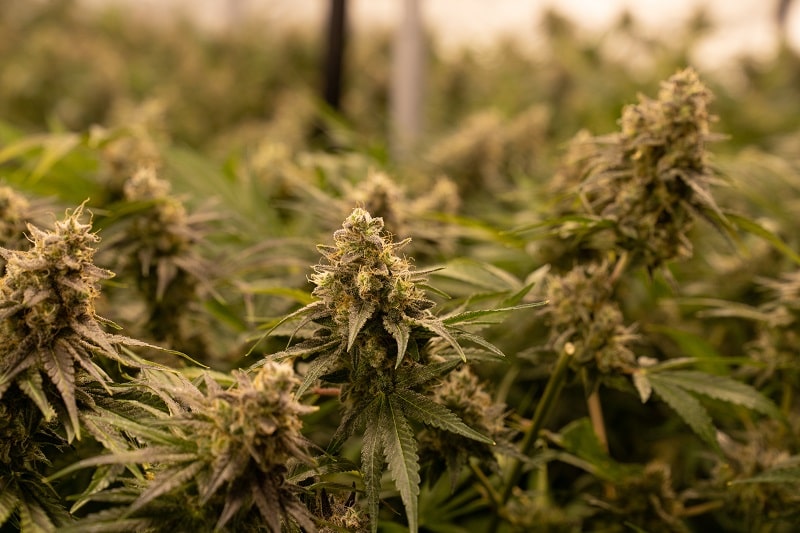
cbn benefits

Can You Mix CBD and CBN?

Absolutely, it’s possible to mix lots of different cannabinoids, including CBD and CBN. This can produce unique effects and experiences as the separate cannabinoids work together in the body.

Research suggests that using CBD and CBN together may actually be a good idea and could help the two work more effectively, through a phenomenon known as the entourage effect, which suggests that cannabinoids work better as a team, rather than on their own.
Contact us to learn more about this idea.

Are CBD and CBN Legal?

CBD and CBN are legal in some states, but not all. Each state has its own rules and regulations around cannabis products and usage, so it’s important to look up your local laws and see what rules are in place before seeking out any CBD or CBN products of your own.

Overall, CBD and CBN are clearly quite different, but still have a few things in common and can both prove valuable and useful for many people when it comes to easing pain and soothing common mental stresses. More research is clearly needed to find out what CBN is capable of and if it could ever be as useful and influential as CBD.

What Is the Endocannabinoid System? How it works

Cannabis products are becoming more popular and widely used all over the world, thanks to the unique medicinal and therapeutic effects they can provide. But why is it that cannabis is able to have such interesting effects on the human body? Well, it’s all because of the endocannabinoid system, or ECS. This guide will explain exactly what the ECS is and how it works.

Timeline of Endocannabinoid System Research and Discovery

Before we look at what is the ECS, it’s important to understand how scientists learned about this system. The history of endocannabinoid research goes back decades, and the first big breakthrough came in the 1960s:

  • The mid-60s: In the mid-1960s, a researcher named Raphael Mechoulam discovered that CBD and THC were among the key active ingredients in the cannabis plant. In the decades that followed, researchers tried to find out how these cannabinoids took effect on the body. But it took a long time before their interactions with the endocannabinoid system to be discovered.
  • 1988: Finally, in the late 80s, a researcher from St. Louis University called Allyn Howlett made use of a brand-new technique, known as radiolabeling, in order to discover cannabinoid receptors in rats.

what is the endocannabinoid system

  • 1990s: In the 90s, further studies took place into cannabinoid receptors in both rats and humans. Scientists managed to clone these receptors, and much more is discovered about how they work and how the body’s own endocannabinoids can interact with cannabinoid receptors throughout the cannabinoid system.
  • 21st Century: In the new millennium, as more is learned about how marijuana works and what benefits it can offer, scientists discover that cannabinoids from the cannabis plant, like THC, are able to bind with receptors, like CB1 and CB2 receptors, to trigger certain effects throughout the body. However, many mysteries remain about how exactly the endocannabinoid system works and the many roles it has.

What Is the Endocannabinoid System?

The endocannabinoid system, or ECS, is a complex cell-signaling system found in human and animal bodies. Like the immune system or central nervous system, it has its role to play in various bodily processes and is quite complex, made up of several key elements, including receptors and endocannabinoids.

endocannabinoid system and cbd

The endocannabinoid produced by the human body can interact with receptors, like the CB1 receptor and CB2 receptor. Then, the ECS responds to that change by triggering certain effects. It can have an influence over many bodily processes and sensations, from the feelings of hunger and tiredness to mood and stress levels.

How Does the Body Produce and Release Endocannabinoids?

The body makes its own endocannabinoids. They’re found in many parts of the body, including different organs and muscle tissue. They only become activated and take effect when they bind with receptors, which are also located in many different parts of the body, such as the brain.

Research is ongoing to learn more about how exactly the endocannabinoids are made and what is involved in the binding process when they meet receptors. Some theories suggest that the ECS responds to imbalances in the body. So, if the level of a certain chemical or hormone is imbalanced, the ECS will take action to fix it.

Key Components of the Endocannabinoid System

The ECS is made up of several key components, including receptors and endocannabinoids. Here’s a brief explainer of each part and its role in the system:

  • Cannabinoid Receptors: The receptors are the parts of the ECS that receive the endocannabinoids. The cannabinoids bond with the receptors, which are divided into two main types – CB1 and CB2 – and this process triggers some kind of change or process in the body.
  • Cannabinoids: Cannabinoids are the molecules that bind with the receptors and trigger changes via the ECS. There are lots of different kinds of cannabinoids, like anandamide and 2-AG. We can divide them into different groups. There are endocannabinoids, made by the body, as well as phytocannabinoids, which come from cannabis plants but can also bind with receptors in the ECS.
  • Enzymes: Finally, there are enzymes. Their purpose is to break down endocannabinoids after they’ve joined with receptors and fulfilled their purpose. They work similarly to digestive enzymes, breaking down molecules piece by piece.

How the Endocannabinoid System Works in the Body

Now you know the main parts of the endocannabinoid system, it’s easy to see how it basically works. If the ECS detects something wrong or imbalanced in the body, cannabinoids are produced. The cannabinoids then bind with receptors, triggering some kind of process or change. Cannabinoids from marijuana, like different types of CBD, can also interact with the ECS in similar ways and trigger changes or effects.

endocannabinoids

What Is the Function of Endocannabinoids?

There’s still a lot we don’t know about the endocannabinoid system and what the various endocannabinoids exist for. However, their main role is to bind with CB1 and CB2 receptors. This process then causes signals to be sent through the ECS, leading to changes in sensations, moods, or bodily processes.

How Cannabis Compounds Interact with the Endocannabinoid System

How THC Interacts with the ECS: THC is the most common of all phytocannabinoids and works almost identically to the endocannabinoid produced naturally in the body. It binds with CB1 receptors in the brain, triggering brain activity in various regions, which can then lead to the effects associated with THC, like feelings of happiness and the famous “high” sensation. You can contact us to learn more about THC’s functionality and benefits.

How CBD Interacts with the ECS?: Research into the endocannabinoid system and CBD is still ongoing, and scientists aren’t exactly sure how CBD works. It is believed that it doesn’t bind with CB1 receptors, but may instead interact with CB2 receptors and other receptors around the body, like those responsible for serotonin. That’s why, if you use CBD oil and products from a cannabis dispensary, you can feel calmer and less stressed.

We hope that this guide has answered your questions about what is the ECS and what are cannabinoids. As we can see, the ECS is quite a complex system, and there’s still more to find out about it in the years ahead, but it clearly plays a big role in many bodily feelings, and cannabis products can influence it in some interesting and therapeutic ways.

What is THCA: How is it Different from THC?

The cannabis plant is famed for its many cannabinoids, and if you have some knowledge of cannabis, you’re probably already familiar with the likes of CBD and THC. However, there are many more lesser-known cannabinoids that are stepping into the spotlight, offering their own unique benefits. THCA is one of them. But what is it? And how do THC and THCA compare? Read on for all you need to know.

Before we look at THC vs THCA or vs Delta 9 and other cannabinoids, it’s important to have a clear and precise understanding of what THCA is. In simple terms, it is a cannabinoid. Its full name is tetrahydrocannabinolic acid, and as the name implies, it’s closely related to THC.

In fact, THCA is classed as a “precursor” to THC. It forms in the cannabis plant before THC and can then be transformed into THC later on. However, even though the two are closely connected, there are some big and notable differences between THCA vs THC. For example, unlike THC, THCA has no psychoactive properties and won’t get you high.

THC vs. THCA: What’s the Difference?

So, we know that THCA is yet another cannabinoid on the ever-expanding cannabis menu, but how does it actually compare to THCA? Well, when it comes to what is THCA vs THC, the first difference comes in the chemical structure. Specifically, THCA molecules are formed as carboxylic acids, meaning that they have a slightly different form to THC, with an extra carboxyl ring.

That may only seem like a minor difference, but it has a big effect, as it means that THCA does not have the intoxicating power of THC. It’s not able to make people feel high or euphoric like THC does, and it’s not generally as potent or powerful as THC. However, it can offer many similar health benefits, such as anti-inflammatory properties and possible neuroprotective effects.

How THCA Become THC?

As mentioned above, THCA is the precursor to THC. That means that it can change into THC. How does this happen? Well, THCA can become THC via a process called decarboxylation. That may sound complicated, but it actually just means that the plant needs to be heated in order to lose its extra carboxyl ring and become THC.

what is thca vs thc

Potential Benefits and Effects

THCA hasn’t been researched as extensively or thoroughly as many other cannabinoids, like THC and CBD. So there’s still a lot we don’t know about this cannabinoid and only a limited amount of evidence to support some of the theories about what it can do and how it can help people. However, some of the potential benefits discovered so far include:

  • Anti-inflammatory: THCA may be able to ease or soothe inflammation in various areas of the body. This could help to soothe pained or inflamed joints and muscles, for example, giving THCA possible medical applications.
  • Anti-nausea: Just like THC, THCA has been shown to provide notable benefits for patients who are experiencing feelings of nausea. It may prove to be a useful treatment for cancer patients who often feel nauseous as a result of chemotherapy.
  • Neuroprotective: Some studies have shown evidence to suggest that it may offer neuroprotective benefits, too. This means that it could help to protect brain cells against death and degradation, possibly preventing certain neurodegenerative disorders.
  • Reducing seizures: Finally, other studies have shown that it can also be a useful cannabinoid in reducing the risk of seizures in patients who suffer from epilepsy or similar conditions.

How to Use THCA

Since THCA turns into THC when it’s heated, it’s not the easiest cannabinoid to use. It can’t be smoked, nor can you simply buy a THCA flower pound to vape or dab. Instead, the best options are usually to use some kind of THCA concentrate or oil. You can also invest in the best THCA flower varieties from your local marijuana dispensary and make your own oils, rather than smoking them.

thc vs thca

Is THCA Legal?

The legal situation around cannabis products is changing all the time and can vary greatly from state to state. For example, Oregon’s marijuana law is different from California’s or Texas’s law, and so on. In regard to THCA, it’s not technically banned at the federal level, but is still under strict control, due to its close connection with THC.

Can It Show Up in a Drug Test?

Yes, THCA will show up on a drug test, just like THC does. So, if you have a drug test scheduled and want to avoid getting a positive result, you may want to avoid using any products that contain THCA.

Where Can You Find THCA?

The best place to find any and all cannabis products, including THCA products, is at your local marijuana dispensary. There, you’ll find a huge range of official cannabis products from trusted brands and licensed manufacturers. You can also consult with the expert, knowledgeable staff, who will be able to advise you on the best ways to use it and what benefits it might be able to offer you. Contact us for further details.

As you can see, THCA is quite an interesting cannabinoid. There’s a lot of interest in this particular cannabinoid, and further studies will be needed to determine how useful and beneficial it can truly be. In the meantime, hopes are high that it may be able to offer many medicinal and therapeutic benefits.

What is CBN: Potential Benefits and Effects

There are so many different cannabinoids that make up the cannabis plant, and many people are familiar with the most famous examples, like THC and CBD. However, as we learn more about cannabis, some of the lesser-known cannabinoids are stepping into the spotlight, like CBD. What is CBN, and what can it do? This guide will cover all you need to know.

What Is CBN?

CBN is simply a type of cannabinoid, just like CBD, THC, and 100+ others. The full name of the CBN cannabinoid is cannabinol. It can be sourced naturally from the cannabis sativa plant matter or produced synthetically. Typically, it forms when THC degrades as it is exposed to heat, air, light, etc. For this reason, high levels of the CBN cannabinoid are often found in old and dry bits of cannabis.

Potential Benefits of CBN

Compared to the likes of THC and CBD, there hasn’t been a lot of research into CBN and what it’s capable of. However, limited studies have revealed a range of interesting potential benefits associated with CBN products. So, what is CBN good for? Here’s a list of possible advantages and uses of this cannabinoid:

  • Treating Epidermolysis Bullosa: Epidermolysis Bullosa is the name given to a group of rare skin disorders that cause skin blisters. Researchers have been looking into the prospect of using CBN oil and cream directly on the skin of affected individuals, with promising results so far.
  • Reducing the Effects and Symptoms of Glaucoma: Glaucoma is a relatively common eye condition that tends to affect people as they get older. It causes gradual vision loss and eventual high blood pressure in the worst cases. Studies suggest that CBN may be of use in reducing the chance of eye and nerve cells from dying off, slowing the progression of the condition, and helping to preserve a patient’s sight.

cbn for sleep

  • Relieving Pain: Just like many other cannabinoids, CBN has also been found to have pain-relieving properties. It can help to soothe the sensation of pain around the body, which could make it a useful ingredient in the battle against chronic pain conditions or other health issues that lead to regular aches and pains.
  • Anti-Insomnia: CBN may also be able to assist those who struggle with insomnia and similar sleeping conditions. CBN sleep studies have shown that this cannabinoid can present quite strong sedative effects, making it a valuable sleep aid. Many insomnia patients could see major life improvements with CBN for sleeping.
  • Anti-bacterial: CBN is also one of the many cannabinoids that have the power to battle bacteria. It has been tested against various bacterial strains, including some that are resistant to antibiotics, and has proven highly effective. It could therefore prove useful in the future for killing and slowing the spread of certain microbes.

How to Use CBN

There are many different types of marijuana products that can contain CBN as an active ingredient, including oils, tinctures, gummies, capsules, and more. There are also certain types of strains of cannabis flower that may contain high concentrations of CBN or ways to decarb (heat) cannabis to degrade the THC and generate more CBN.

However, it’s always best to speak with a medical professional before you start using any new cannabinoids, like CBN, or communicate with cannabis experts for trusted advice. You can contact us for further details about this cannabinoid and recommendations about the best ways to take it and how to control your dosage.

What Is CBN Oil?

CBN oil is a specific cannabis product that takes the form of liquid oil and contains high levels of CBN. Given that a lot of cannabis plant matter is quite low in CBN naturally, CBN oil is one of the best options for people who want to consume and feel the effects of this particular cannabinoid.

Just like CBD oil and other cannabis oils, CBN oil can be made by soaking cannabis plant matter in a solvent substance of some kind. The cannabinoid soaks out into the oil, which can then be consumed in different ways, such as dropping under the tongue or mixing with drinks and food items.

cbn cannabinoid

Is CBN Legal?

At the time of writing, CBN does not feature on the US list of scheduled controlled substances. However, given the fact that CBN is closely connected to THC, and THC is very strictly controlled due to its psychoactive effects, the legality of CBN is something of a gray area and may change at any time.

It’s important to note that the legal situation surrounding cannabis and all of its many compounds and cannabinoids is changing all the time. Laws can vary greatly from one state to the next, and many proposed pieces of legislation are being looked at and voted on, which could change the situation even further.

To avoid any worries or risks with the law, it’s best to stay aware of the legal situation in your state or region and consult with professionals if you’re unsure about anything.

Where to Buy CBN Products

If you’re interested in purchasing CBN products, the best place to go is an official, licensed dispensary. A cannabis dispensary in Portland, for example, can provide you with all the cannabis products you require, including CBN oil and other CBN products. The staff at dispensaries are also able to provide guidance and answer questions you may have.

As we can see, even though it’s not as popular or well-known as the likes of CBD and THC, CBN has a lot of possible uses and benefits. It could prove to be a very therapeutic and soothing cannabinoid for some people, but additional studies are needed to learn more about it and how it works.

What Is Kief? Benefits, Uses, and Concerns

Kief, derived from the cannabis plant, is a composition of tiny, sticky crystals that carry a rich profile of cannabinoids and terpenes. Its unique nature and concentrated potency offer a heightened experience compared to regular cannabis buds, making it an appealing option for both recreational and medical users.

With this plant, you can elevate your experience, savor the enhanced aroma, and extend the potency of your cannabis reserves. Read on to discover the world of kief, an essential aspect of cannabis culture.

What is Kief?

If you’re familiar with cannabis culture, you may have heard the term ‘kief’ thrown around. So, what is kief?

Kief is a highly potent part of the cannabis plant, comprising tiny, sticky crystals that cover the leaves and buds. Also known as ‘cannabis crystals,’ or ‘pollen,’ these minute fragments are part of the plant’s trichomes, tiny hair-like formations that produce and store the plant’s cannabinoids and terpenes.

What is Kief made of?

Addressing the question, “What is kief made of” we find that it’s packed with a high concentration of psychoactive compounds called cannabinoids, including THC (tetrahydrocannabinol), which provides the psychoactive effects associated with marijuana use. It also contains CBD (cannabidiol) and various aromatic compounds known as cannabis terpenes, which give cannabis its distinct smell and flavor profile.

How is Kief Collected?

Collecting can be a simple or intricate process, depending on the equipment you have at hand. The most common way to gather it is by using a three-chamber herb grinder. This type of grinder not only breaks down cannabis buds but also sifts out the kief, collecting it in a lower compartment known as a kief catcher. Some dedicated cannabis enthusiasts even use specialized silk screens or boxes for higher purity levels.

what is kief made of

How to Use Kief

When considering what to do with Kief, you’ll find a range of options. You can add it to your ground cannabis for enhanced potency in your joints or pipes. This method, known as smoking kief, is perhaps the most straightforward. You can also use a kief press to compress it into a disc or ‘hash,’ making it easier to handle and increasing its shelf life. More complex methods include kief pressing for making rosin or using it in edibles, as it can be decarboxylated and mixed into your favorite recipes.

How Does It Make You Feel? Does It Get You High?

Considering the high cannabinoid content, it’s reasonable to assume that it can indeed get you high. But how to smoke kief to achieve the desired effects? The method of consumption plays a significant role.

When you smoke or vape it, the heat activates the cannabinoids, causing an immediate, intense high due to the high THC content. The feeling is usually described as euphoric and relaxing, but it can vary depending on the strain of cannabis the kief was collected from and individual tolerance levels.

Contact us if you have any questions about this plant.

What are the advantages?

The advantages of using are numerous. Here are a few of them:

  • Potency – It holds a higher concentration of cannabinoids than regular cannabis buds, meaning a small amount can significantly enhance your cannabis experience.
  • Versatility – It is quite versatile; it can be smoked, vaped, ingested, or even used topically when incorporated into creams or balms.
  • Efficiency – Collecting and using it allows you to make the most out of your cannabis plant by reducing waste.
  • Flavor – Due to the high terpene content, it can greatly enhance the flavor of your cannabis, making your smoking or vaping experience more enjoyable.
  • Simplicity – The ease of collecting the plant (particularly when using a grinder with a kief catcher) adds to its advantages. It allows cannabis enthusiasts to gradually accumulate this potent substance without any additional effort.
  • Cost-effectiveness – Since only a small amount of this plant is needed to achieve significant effects, it’s an economical way to use cannabis, especially for those who need it for medical purposes.

what to do with kief

Is Kief Legal?

People new to these products often ask “Is Kief legal?”

Its legality is tied to the legal status of cannabis in your specific region. In places where cannabis use is legalized for recreational or medicinal purposes, kief is usually also legal. However, due to its concentrated nature, some jurisdictions might have specific regulations regarding possession and use. It is always advisable to check with local laws before procuring or using it.

Where can You find?

So, where can you find this potent cannabis product? If you’re using a grinder with a kief catcher, you can collect kief each time you grind your cannabis buds. It might take a while to accumulate a substantial amount, but the wait is usually worth it. Alternatively, your local cannabis dispensary may sell it. Keep in mind, though, that the quality and potency of this plant can vary greatly, so always purchase from a reputable source.

Summary

Kief, the potent, crystal-like component of the cannabis plant, brings a wealth of advantages, including heightened potency, versatility, efficiency, and flavor. Its collection and use offer an economic way to enhance the cannabis experience.

However, legality varies, so it’s essential to know your local laws. Whether collected at home or purchased from reputable sources, kief holds the potential to transform the cannabis culture and user experiences.

CBG vs CBD: Differences and Therapeutic Benefits

While both CBG and CBD are derived from the cannabis plant, they present distinct characteristics and potential benefits.

This article tackles the differences between CBG and CBD and explores their unique properties, potential health benefits, and legality.

CBG vs CBD: What is the Difference

The cannabis plant hosts over 100 compounds. The most notable are Cannabigerol (CBG) and Cannabidiol (CBD).

Although they come from the same plant, these two compounds have distinct characteristics. In a CBG vs CBD comparison, CBG is commonly referred to as the “mother” or “stem cell” of cannabinoids, as it is the precursor from which all other cannabinoids are synthesized.

On the other hand, CBD is a derivative of these processes, with a different molecular structure and diverse effects.

What is CBG?

CBG stands for Cannabigerol, a less prevalent but highly potent compound found in cannabis. It is the parent molecule from which other cannabinoids form, thus the tag “stem cell” cannabinoid. The question “What is CBG?” is expected in a cannabis dispensary, as it is less well-known than CBD.

What is CBD?

CBD, or Cannabidiol, is one of the most well-known and widely studied cannabinoids. It is non-psychoactive, which means it does not produce the “high” associated with cannabis. CBD is celebrated for its potential therapeutic benefits, particularly in managing symptoms of various conditions such as anxiety, insomnia, and chronic pain.

cbg vs cbd

CBG vs CBD: Health Benefits

When comparing CBG vs CBD health benefits, both have shown promise. Research suggests CBD may relieve pain, inflammation, anxiety, and other conditions. Conversely, preliminary studies suggest CBG could combat inflammation, pain, and nausea. It may also have neuroprotective properties. It’s worth noting that while both cannabinoids show potential, more extensive human studies are needed to understand their effects and potential therapeutic benefits fully.

CBG Benefits

Research on CBG is still in its infancy compared to CBD. However, preliminary studies have started to reveal various potential benefits of CBG. Here are some of the possible advantages that CBG might offer:

  • Anti-Inflammatory: CBG has shown the potential to reduce inflammation, particularly in conditions like inflammatory bowel disease.
  • Neuroprotective Properties: Early studies suggest that CBG may have neuroprotective effects, which could be beneficial in conditions such as Parkinson’s disease, Alzheimer’s disease, and other neurodegenerative conditions.
  • Glaucoma Treatment: CBG may help treat glaucoma by reducing intraocular pressure.
  • Cancer-fighting Properties: Some studies suggest that CBG may potentially inhibit the growth of certain types of cancer cells.
  • Anti-Nausea: CBG could effectively reduce nausea and increase appetite, making it a possible aid for patients undergoing treatments like chemotherapy.
  • Antibacterial Properties: CBG is effective against certain strains of antibiotic-resistant bacteria, highlighting its potential as an antibacterial agent.
    Remember, these benefits are based on early research, and more studies are needed to substantiate these claims. Always consult with a healthcare provider before incorporating CBG into your wellness routine.

cbg benefits

What is CBD Good For

Various types of CBD have been extensively studied for their potential health benefits. It is one of the most well-known cannabinoids due to its widespread use and myriad therapeutic applications. Here are some of the primary potential benefits of CBD:

  • Pain Relief: CBD may offer natural relief for various types of pain, from chronic pain to muscle spasms and arthritis-related discomfort.
  • Anti-Inflammatory: CBD has shown potential as an anti-inflammatory agent, which could help manage inflammation-related conditions.
  • Anxiety and Stress Reduction: Numerous studies suggest that CBD could help manage anxiety and stress levels, contributing to improved mental health.
  • Sleep Aid: By addressing anxiety and pain, CBD may help individuals struggling with insomnia or other sleep disorders achieve better sleep quality.
  • Epilepsy and Seizure Disorders: CBD has been recognized for its potential to reduce the frequency of seizures in conditions such as epilepsy. A CBD-based drug, Epidiolex, has been FDA-approved for this purpose.
  • Neuroprotective Properties: Preliminary research suggests CBD could have neuroprotective properties, possibly assisting in conditions such as Alzheimer’s and Parkinson’s.
  • Cardiovascular Health: Early research indicates that CBD may contribute to heart health by reducing blood pressure and preventing heart damage.

As with any supplement or medication, it’s crucial to consult a healthcare professional before starting a CBD regimen. While CBD is generally considered safe, individual reactions can vary, and it can interact with certain medications.

Cannabinoid Structure of CBD and CBG

The cannabinoid structures of CBD and CBG are distinct in their molecular formation. Both belong to a class of molecules called cannabinoids and share a similar chemical formula but have a different arrangement of atoms. This difference in structure is the reason for the unique CBD and CBG benefits.

cbd vs cbg

CBG Products

CBG products are less prevalent than CBD offerings, but the range is growing. From CBG oil and capsules to creams and edibles, there is an expanding choice for consumers interested in exploring this lesser-known cannabinoid. Like CBD, buying from a trusted source ensures product quality and efficacy.

What’s The Difference Between CBG Oil and CBD Oil?

The main difference between CBG oil and CBD oil lies in the cannabinoid content. CBG oil contains high concentrations of CBG, whereas CBD oil is rich in CBD. Given their unique potential benefits and effects, these variations lead to different user experiences.

Are CBD and CBG Both Legal?

Legally speaking, both CBD and CBG are generally permitted in many places, including the United States, as long as they’re derived from hemp and contain less than 0.3% THC. However, cannabis laws vary by location, so checking local regulations before purchasing is essential.

Right Dosage of CBG

Determining the proper dosage of CBG isn’t a one-size-fits-all matter. It depends on various factors, including individual body chemistry, the particular ailment being treated, and the specific CBG cannabinoid product being used. It’s advised to start with a low dose and gradually increase until the desired effects are achieved.

For personalized advice on dosage, consider contacting health professionals or contact us for more information.

CBG and CBD offer potential health and wellness benefits. As research continues to unfold, our understanding of these potent cannabinoids will grow.

Happy Leaf Portland: A New Chapter with NEBBA


NEBBA

Happy Leaf Portland, a premier cannabis dispensary established in 2015, is excited to announce its membership in the Northeast Broadway Business Association (NEBBA). This development marks the beginning of a new era of collaboration, community engagement, and shared success as Happy Leaf commits to enriching the vibrant NE Broadway district.

As a celebrated destination for cannabis enthusiasts and novices alike, Happy Leaf has been proudly serving Portland’s community with quality products and a warm, inclusive environment. Known for its knowledgeable staff and comprehensive product line, Happy Leaf is more than a business; it is an integral part of the Portland culture and community. Joining NEBBA represents the dispensary’s next step in strengthening its relationship with the local community and advocating for the thriving businesses within the district.

NEBBA is an esteemed association, uniting businesses on NE Broadway between 3rd and 38th Avenues. The organization is dedicated to promoting unity among district businesses and fostering a vibrant, thriving neighborhood. By joining NEBBA, Happy Leaf aligns itself with these values, reinforcing its commitment to the people it serves.

Happy Leaf’s NEBBA membership also paves the way for greater community involvement. The dispensary will now be more connected to local events, initiatives, and improvements, further enabling it to support its neighbors and enrich the area.

The inclusion of Happy Leaf in NEBBA is indeed a win for the entire district. The dispensary’s commitment to quality service, product excellence, and community involvement aligns seamlessly with NEBBA’s mission to maintain a vibrant business district that is a great place to work, shop, and live.

As we look to the future, we are filled with anticipation and excitement for what this new chapter holds. This partnership is not merely about business growth, but about contributing to a neighborhood that continues to thrive, prosper, and be a destination for locals and visitors alike.

Fascinating Cannabis Facts

Cannabis is one of the world’s most popular and controversial plants. From its early use in traditional medicine to its current status as a recreational drug, cannabis has been the subject of fascination and debate for centuries.

Did you know that cannabis is also one of the fastest-growing industries in the world, with estimates suggesting that it could be worth $73.6 billion by 2027?

Read on to discover some fascinating cannabis facts and why this plant captivates people worldwide.

Marijuana Facts

Cannabis, or marijuana, has been around for centuries and has become increasingly popular in recent years. Whether you are a seasoned user or a curious beginner, there is always something new to learn about this fascinating plant.

What is Marijuana?

Marijuana is a plant that is native to Central Asia but can now be found all over the world. The plant has been used for various purposes throughout history, including for its psychoactive effects. The term “marijuana” typically refers to the dried leaves, flowers, and stems of the cannabis plant, which are commonly smoked or consumed for their euphoric effects.

To learn more about hemp or marijuana, visit Happy Leaf— the best marijuana dispensary in Portland.

marijuana facts

What are the Components of Cannabis?

Cannabis contains more than 100 compounds, known as cannabinoids, which interact with the body’s endocannabinoid system to produce various effects. The two most well-known cannabinoids are tetrahydrocannabinol (THC) and cannabidiol (CBD).
THC is the primary psychoactive compound in marijuana and is responsible for the “high” that users experience.
Conversely, CBD does not produce a high and is believed to have several therapeutic properties.

How is It Used?

Marijuana can be consumed in several ways, including smoking, vaporizing, and edibles. Smoking is the most common method of consumption, but it can also harm the lungs. Vaporizing involves heating the cannabis to a temperature that releases the cannabinoids without producing smoke. Edibles, such as brownies and gummies, are made by infusing cannabis into food products.

Is Cannabis Legal?

The legality of cannabis varies by country and state. In the United States, marijuana is still classified as a Schedule I drug under federal law, meaning it is illegal to possess, sell, or use. However, several states have legalized marijuana for medical and recreational use, and more are expected to follow.

How Does Cannabis Affect Your Body?

The effects of cannabis can vary depending on several factors, including the method of consumption, the amount consumed, and the individual’s tolerance. When consumed, THC binds to cannabinoid receptors in the brain, producing a range of effects, including:

  • Euphoria
  • Relaxation
  • Increased appetite
  • Reduced anxiety
  • Impaired memory and concentration
  • Dry mouth and eyes

Medical Cannabis Facts

In addition to its recreational use, marijuana has several medicinal properties that have been studied for decades. Here are some facts about cannabis in the medical industry:

facts about cannabis

What is Medical Marijuana Used For?

Medical marijuana treats various conditions, including chronic pain, nausea and vomiting, seizures, and muscle spasms. It is also used to stimulate appetite in patients with AIDS and to reduce symptoms of post-traumatic stress disorder (PTSD).

Meanwhile, the benefits of CBD massage oil include moisturizing the skin, pain relief, soothing tension, and faster healing.

How Does It Help?

Medical marijuana contains several compounds that are believed to have therapeutic properties. THC, for example, is a potent pain reliever and anti-inflammatory, while CBD has been shown to have anti-anxiety and anti-seizure effects.

How Do You Take It?

Medical marijuana can be consumed in several forms, including smoking, vaporizing, and edibles. However, many medical professionals recommend using other consumption methods, such as oils and tinctures, which allow for more precise dosing.

Which are The States Where Medical Marijuana is Legal?

Among the most interesting facts about marijuana is that more than half of the 50 states in the United States have legalized it for medical use.

States Where Medical Marijuana is Legal
1. Alaska 10. Illinois 19. Montana 28. Oregon
2. Arizona 11. Louisiana 20. Nevada 29. Pennsylvania
3. Arkansas 12. Maine 21. New Hampshire 30. Rhode Island
4. California 13. Maryland 22. New Jersey 31. Utah
5. Colorado 14. Massachusetts 23. New Mexico 32. Vermont
6. Connecticut 15. Michigan 24. New York 33. Virginia
7. Delaware 16. Minnesota 25. North Dakota 34. Washington
8. Florida 17. Mississippi 26. Ohio 35. West Virginia
9. Hawaii 18. Missouri 27. Oklahoma  36. District of Columbia

How to Get Medical Marijuana?

To obtain medical marijuana, patients must first obtain a recommendation from a qualified healthcare provider.

Once a recommendation has been obtained, patients can then apply for a medical marijuana card from their state’s Department of health or medical marijuana program. This card allows patients to purchase medical marijuana from licensed dispensaries.

Additional Marijuana Facts

If you want to learn more about hemp, here are a few more marijuana facts you should know:

Cannabis is Ancient: 2,500 years of history

Cannabis has been used by humans for thousands of years. The earliest recorded use of cannabis dates back to 2,500 years ago in China, where the plant was used for medicinal purposes. From there, cannabis spread to other parts of the world, including India, Africa, and the Middle East.

Only Female cannabis plants get you high

When it comes to cannabis, it’s the female plants that get you high. Male cannabis plants do not produce the psychoactive compound, THC, responsible for the “high” associated with cannabis use. Only female plants produce the resinous buds that contain high levels of THC.

The First Product Bought and Sold Online

Believe it or not, the first product ever sold online was a bag of cannabis. In 1971, a group of students at Stanford University used the Arpanet (a precursor to the internet) to arrange a sale of marijuana to students at the Massachusetts Institute of Technology. The transaction was never completed but is the first online purchase in history.

fun facts about marijuana

Bob Marley was buried with marijuana

Bob Marley, the iconic reggae musician, was known for his love of cannabis. Marley was so passionate about the plant that he was buried with a stalk of marijuana in his hand. To Marley, cannabis was not just a recreational drug but a tool for spiritual and creative inspiration.

Shakespeare Smoked Cannabis

There is evidence suggesting that Shakespeare may have smoked cannabis. In his plays, he often references “noted weed” and “compounds strange,” some scholars believe to be references to cannabis. While there is no definitive proof that Shakespeare was a cannabis user, it’s an exciting possibility.

Cannabis Can Be Used In Construction

Cannabis can be used for various purposes, including construction. Hemp, a variety of cannabis sativa, is a versatile material used to make everything from clothing to paper to building materials. Hempcrete, a building material made from hemp, is gaining popularity as a sustainable and eco-friendly alternative to traditional concrete.

George Washington was a grower

One of the most interesting fun facts about marijuana is that even America’s first president, George Washington, was a cannabis grower.
Washington grew hemp on his plantation in Virginia and encouraged others to do the same. While it’s unclear whether Washington used cannabis for its psychoactive effects, it’s clear that he recognized its potential as a valuable crop.

These are just a few of the many incredible cannabis facts. Contact us if you need to know about our dispensaries’ marijuana products or want professional advice on using or storing them safely.

Whether you’re a cannabis enthusiast or simply curious about its history and uses, there’s always something new to learn about this fascinating plant.

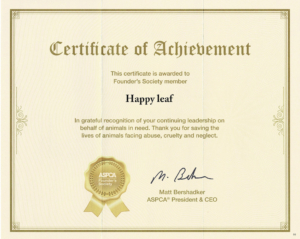
Certification Of Achievement

ASPCA-CERTIFICATE-OF-ACHIEVEMENT

Happy Leaf is dedicated to giving back to the community and supporting causes that align with their values. As part of our commitment to making a positive impact, Happy Leaf has become a member of the ASPCA Founder’s Society.

At Happy Leaf, we believe that doing good for others is a fundamental part of being a responsible member of society. This belief is at the core of our values, and it guides everything we do. As a cannabis dispensary, we are in a unique position to make a positive impact on our community, and we take that responsibility seriously.

We are proud to support the ASPCA and their mission to prevent cruelty to animals and provide care and support for animals in need. We believe that every living being deserves to be treated with kindness and compassion, and the ASPCA’s work aligns perfectly with our values.

The golden rule says “Do one to others as you would like done to you”. We believe to do more for others than we would want to be done for ourselves. We coined it the GREEN RULE.

This is why once every year we not only donate 50% of sales on certain products to the ASPCA, but more so Happy Leaf matches 100% of any individual donations given to the ASPCA at our location during donation month which happens in the last quarter of the year.

We believe that by working together with our community, we can make a real difference!

Decarboxylation Guide: How to Properly Decarb Cannabis

The idea of decarboxylating cannabis might sound complicated, but it’s actually simpler than you might think. In fact, to decarb cannabis simply means to heat it up in order to activate the key components and cannabinoids, like THC and CBD.

Knowing how to decarb cannabis is crucial if you want to make your own cannabis edibles or cook with cannabis in general, for example. In this guide, we’ll cover all you need to know about decarbing cannabis.

What Is Decarboxylation?

Let’s start off with a simple definition: what does decarboxylation of marijuana actually mean? Well, decarboxylation, also known as decarbing, is simply a complicated word for heating marijuana to the right temperatures for its key ingredients – like cannabidiol – to activate and have an effect when consumed.

You decarb cannabis without even thinking about if you light up a joint or use a bong, and without this process, cannabis and marijuana products wouldn’t actually be able to provide the effects that we associate them with, like relieving pain or soothing a stressed mind.

Temperature and Decarboxylation

The key component in decarboxylation is heating. Heat is used to change the chemical structure of some of the compounds inside the cannabis plant, and it’s important to achieve the right temperature and heat the cannabis for the right amount of time, just like cooking food in an oven.

You see, raw cannabis doesn’t usually contain much (or even any) THC. In reality, the plant matter contains certain compounds called cannabinoid acids that are able to be transformed into cannabinoids (like THC and CBD) through the application of heat.

The problem is that if the temperature isn’t high enough, the compounds won’t be activated, but if it’s too high, the compounds could be destroyed! This is why temperature control is key when you decarb marijuana, and experts recommend heating slowly up to and around 230 to 250 °F for best results.

how to decarb cannabis

Why Decarbing Cannabis Is Important

So, we’ve seen what it means to decarb cannabis, but why do we need to do this process? Well, as alluded to in the previous section, it’s all about making cannabis more effective and useful for human consumption. It’s perfectly possible to ingest or consume raw cannabis, but you may find that it doesn’t produce much or any effect.

This is because the cannabinoid acids or “inactive cannabinoids” haven’t been activated through decarbing yet. Decarboxylation of THC, CBD, and other cannabinoids and terpenes at high temperatures is basically what powers up the cannabis, making it much more useful and allowing it to have effects and benefits for the user.

How Does Decarboxylation Happen?

From a scientific perspective, decarboxylation in an oven or via other means simply involves altering the chemical structure of the matter in question by removing a carboxyl group and releasing carbon dioxide.

There are two main ways in which this can happen: through time or through heat. Heat is the most common method of decarbing cannabis, as the time method can take a very long time to have any effect.

When someone smokes or vapes marijuana, the intense level of heat causes the cannabis to decarb. However, if you’ve got some flower that you want to use for cooking or making edibles, you’ll have to decarb it separately in an oven or using another method.

When Should You Decarboxylate Marijuana?

So, when is the right time to decarb cannabis products from your local Portland dispensary? Well, decarbing cannabis is always something that you’ll want to do if you want to feel the intoxicating and psychoactive effects of this plant, as well as its alleged health benefits like pain relief and soothing the sensations of nausea.

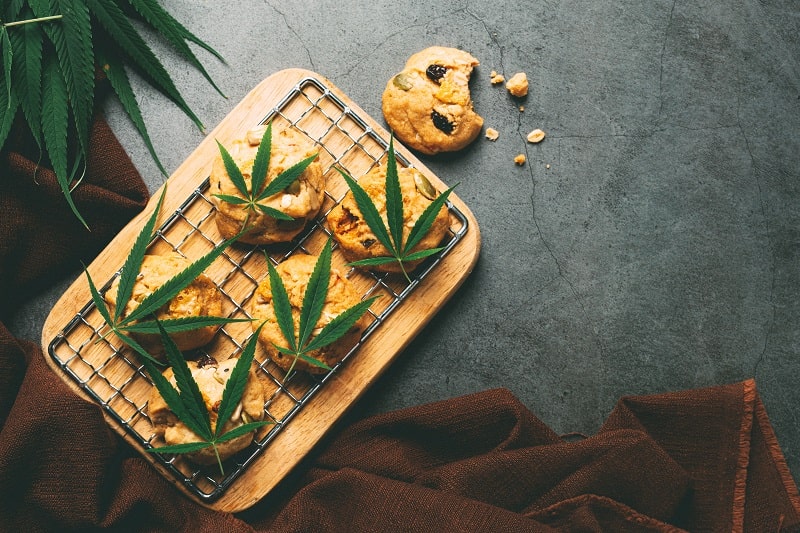
You’ll also want to decarb cannabis if you intend to make any sort of cannabis edible or topical products, from cannabis cookies to cannabis skin creams. At the same time, it’s important to note that you don’t need to decarb edibles or topicals bought from your local store, as these should already have undergone decarbing (contact us for more info if you’re unsure about this).

How Long Does Decarbed Cannabis Last?

Decarbed cannabis can last for quite a while, but it’s best to use it within the first six months after the decarbing procedure. If you wait much longer than that, the THC will start to change its structure and transform into a different cannabinoid, called CBN.

Chemistry of Decarboxylation: THC and CBD

THC and CBD are two of the most important cannabinoids of them all, and they’re both activated via decarboxylation. However, you might be wondering if there’s any difference between THC vs CBD when it comes to how decarbing works or whether you should decarb differently with THC or CBD-heavy strains.

Well, in general, there’s not really much difference between THC and CBD for decarbing, although CBD is able to activate at slightly lower temperatures than THC (closer to 230). So, if you’re decarbing a balanced strain with equal amounts of THC and CBD, it’s best to choose a mid-range temperature of around 230-240 °C for the best results.

decarbing cannabis

How to Decarb Cannabis at Home?

So, how do you decarb cannabis in your own home? There are several methods available. Here’s a quick breakdown of the most common techniques:

Oven (to Decarb Flower)

  1. Set your oven to 230-250°F.
  2. Grind the flower and spread it on a baking sheet.
  3. Put it into the oven for 30 minutes.
  4. Remove and leave to cool.

Oven (to Decarb Cannabis Concentrates)

  1. Set your oven to 200°F.
  2. Place the concentrate on a piece of baking parchment.
  3. Cook for 20 minutes.
  4. Let the concentrate cool in the oven for a while – it should become quite sticky and syrupy.
  5. Freeze it for 10 minutes to make it easier to peel away from the parchment.

Mason Jar

  1. Preheat the oven to 220°F.
  2. Put your ground-up flower in a mason jar and seal it.
  3. Place the jar onto a wet kitchen towel above a piece of baking paper in the oven.
  4. Cook for an hour, shaking the jar carefully every 15 minutes to spread the cannabis around.
  5. Let the jar cool for half an hour before opening.

Sous Vide

  1. Grind the flower before you begin.
  2. Put it in a bag and seal it shut.
  3. Fill a pan with water and bring it to a boil.
  4. Put the sealed bag in the water for an hour and a half, trying to keep the temperature around 210. (If you have a sous vide cooker with temperature controls, this is much easier).
  5. Remove the bag from the water and let it cool before opening it.

Decarb Machine

  1. Power on the machine.
  2. Put the flower inside the machine.
  3. Activate the machine and wait for it to finish.

Final Thoughts

As we can see, decarbing cannabis can seem strange and complex the first time you hear about it, but it’s actually a simple process and a key part of giving cannabis its unique characteristics. We hope this guide has shown you exactly what decarbing is and how to try it yourself.